


When a tolling solution must work across borders, technology alone isn't enough. It takes strong partnerships, close working relationships and an in-depth understanding of the reality in which transport companies operate.
These are the foundations of the collaboration between SkyttelPASS and Italian company Telepass, whose technology powers SkyttelPASS TBOX.
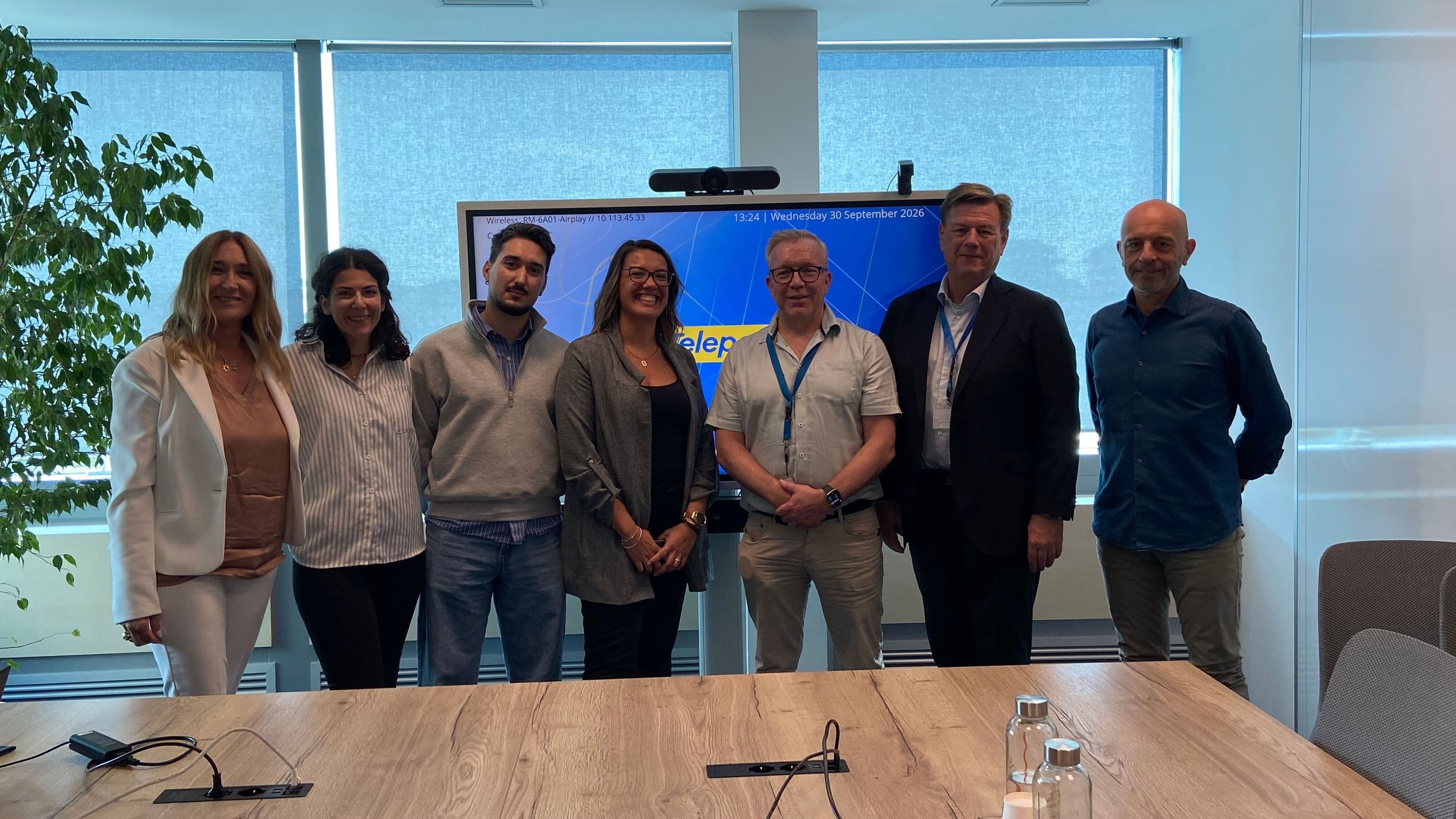
Recently, Vidar Raa, Group Executive Director at SkyttelPASS, and Morten Nielsen, CEO of SkyttelPASS Denmark, travelled to Rome for meetings with Telepass. They aimed to strengthen the collaboration, discuss the continued development of TBOX, and explore opportunities in the Nordic market.
TBOX originated at Telepass. But for SkyttelPASS customers, SkyttelPASS is their partner.
This means customers gain access to an international tolling solution combined with the advice, service, and close customer contact that SkyttelPASS has built its business on.
For Morten Nielsen, this combination is one of the collaboration's key strengths.
“Our customers can be confident that the technology behind TBOX is built on strong international expertise. At the same time, they should know that SkyttelPASS is always close at hand. We are the ones customers talk to about their needs, their routes and their day-to-day operations,” says Morten Nielsen.
The collaboration between SkyttelPASS and Telepass goes beyond technology and products. The personal relationships between the companies are also important.
That is why SkyttelPASS prioritises ongoing dialogue and face-to-face meetings with Telepass.
“When we need to deliver a strong solution to our customers, the relationship with our partners must also be strong. We need to know each other, be able to challenge each other and work together to develop solutions that work in the reality our customers face,” says Vidar Raa.
The meetings in Rome therefore provided an opportunity to look ahead and discuss market experiences, including how SkyttelPASS and Telepass can work together to support transport companies operating across national borders and different tolling systems.
For customers, the collaboration between SkyttelPASS and Telepass should first and foremost be evident in the fact that they receive a solution they can trust.
SkyttelPASS takes responsibility for the customer relationship and helps find the solution that best fits each company's driving patterns and needs.
This applies both to companies that primarily operate in Denmark and to those transporting goods across Europe.
“We want to be the partner customers call. They shouldn't have to navigate different technologies, countries, and partners themselves. Our job is to make it as simple as possible for them,” says Morten Nielsen.
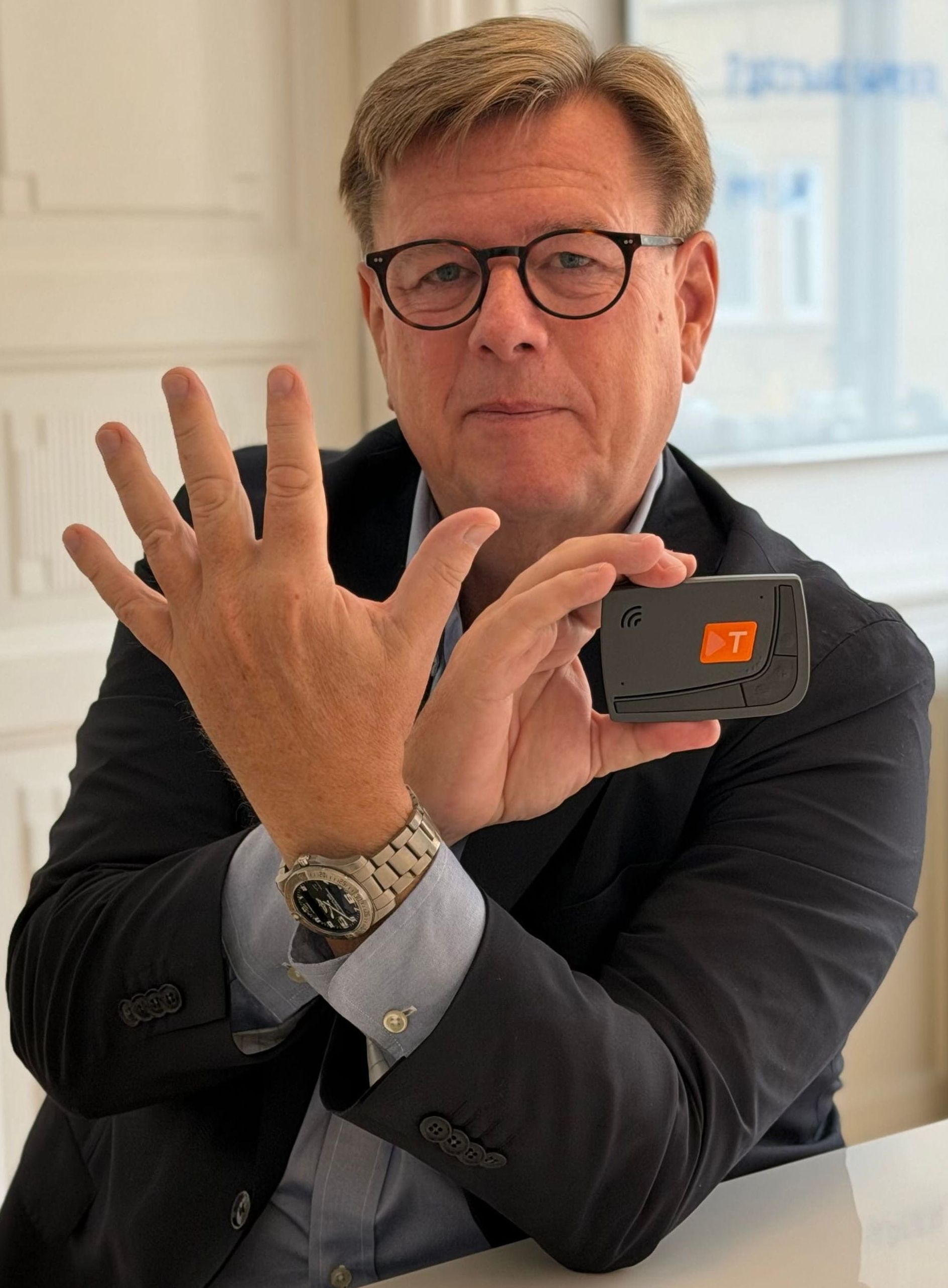
The partnership with Telepass gives SkyttelPASS a strong foundation to offer TBOX in the Danish and Nordic markets. TBOX has been developed to meet the needs of transport companies, whether their operations are domestic or cross-border.
At the same time, SkyttelPASS brings its customer and market knowledge, as well as the close relationships essential for tolling to function as a natural part of day-to-day operations.
That combination is what makes TBOX strong: international technology and reach, with SkyttelPASS by the customer’s side.
The Danish government intends to extend the Danish road toll scheme from 1 January 2027 to include trucks weighing more than 3.5 tonnes. Once the extension takes effect, more businesses will need to manage road tolls as part of their day-to-day operations. For some, this will mean adopting new solutions and establishing new workflows. The final decision is expected in October 2026, but you don’t need to postpone your preparation. By reviewing your fleet, driving patterns, and existing solutions now, you can be ready to take action once the final framework is confirmed.

From 1 January 2027, Danish road tolls will change significantly. While the scheme currently applies to heavy vehicles over 12 tonnes, it will also apply to vehicles over 3.5 tonnes. This means many businesses not currently subject to road tolls will soon need to consider new rules and requirements for managing their vehicles.
 Dansk
 English